
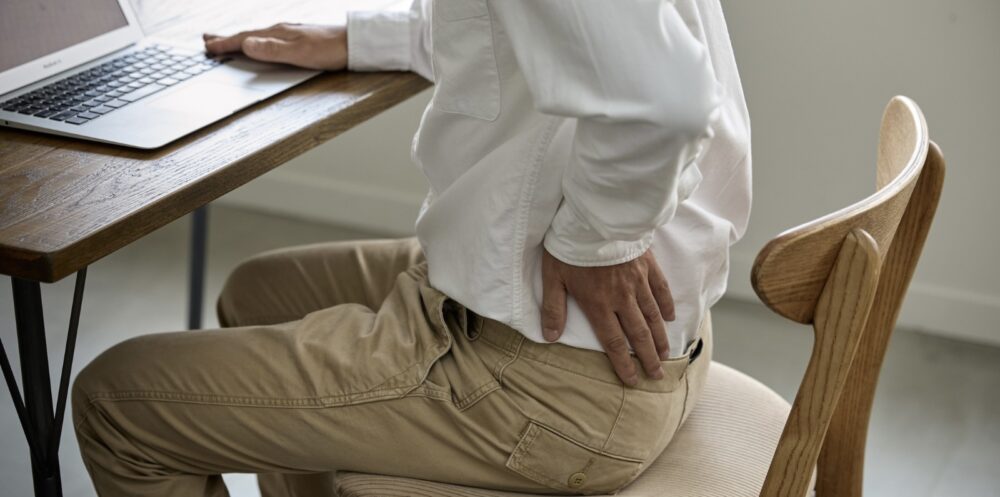
If you’re experiencing persistent lower back pain, hip pain, groin pain, or deep glute pain, your psoas muscle may be playing a much larger role than you realize.
At BodyWell Therapies in Ottawa, every Pain/Injury treatment begins with a thorough assessment to determine why you’re in pain—not just where you feel it.
The psoas is one of the most overlooked muscles in the body, yet dysfunction here can create pain patterns that are often mistaken for disc injuries, hip problems, or chronic muscle tightness.
What Is the Psoas?
The psoas is a deep core muscle that connects your lumbar spine to the inside of your upper thigh. It originates from the sides of your lower back (the lumbar vertebrae), travels through the pelvis, and attaches to the top of your femur.
Because it is the only muscle that directly connects the spine to the leg, the psoas plays an essential role in:
- Walking and climbing stairs
- Standing upright
- Stabilizing the lumbar spine
- Hip flexion
- Maintaining healthy posture
When the psoas isn’t functioning well, the entire body adapts.
Signs Your Psoas May Be Dysfunctional
Psoas dysfunction doesn’t always cause pain in the front of the hip.
Instead, it may present as:
- Chronic lower back pain
- Pain deep in the buttock or glutes
- Groin pain
- Front-of-hip discomfort
- Difficulty standing up straight after sitting
- Tight hip flexors that never seem to loosen
- Pain when lifting the knee or climbing stairs
Many people spend months stretching these areas without realizing the problem isn’t simply “tightness.”
Why the Psoas Can Stay Tight for So Long
The psoas is made up predominantly of red muscle fibres (Type I slow-twitch fibres). These fibres are designed for endurance and postural support, allowing the muscle to work continuously throughout the day.
The downside is that when the psoas goes into spasm, it can maintain that contraction for a very long time. Unlike muscles that fatigue quickly, an unhappy psoas can remain guarded for weeks, months, or even years if the underlying problem isn’t addressed.
On the other end of the spectrum, a neglected psoas can become progressively weaker. In some cases, it becomes so inhibited that it contributes very little to movement at all, forcing other muscles to take over its job.
The Body Always Finds a Workaround
When the psoas isn’t doing its job, the body recruits other muscles to compensate.
These commonly include the:
- Gluteal muscles
- Hip flexors
- Lower back muscles
- Deep hip stabilizers
- Abdominal muscles
Over time, these compensating muscles often become sore, overworked, or tight—not because they are the problem, but because they’re working overtime.
Treating only the painful muscles often provides temporary relief, but lasting improvement comes from identifying why they’re compensating in the first place.
How I Assess the Psoas
Rather than assuming the psoas is involved, I perform a detailed assessment that combines both subjective and objective findings.
This includes discussing:
- When your pain began
- What movements aggravate or relieve it
- Your daily activities and exercise habits
- Previous injuries
I then perform movement assessments and muscle tests to determine whether the psoas is functioning normally or whether other muscles have taken over.
Every treatment plan is based on these findings rather than a one-size-fits-all approach.
Psoas Treatment at BodyWell Therapies
When the psoas is involved, treatment extends far beyond working directly on that one muscle.
Your treatment may include:
- Manual therapy to the psoas when appropriate
- Treatment of the glutes, hips, lower back, and other compensating muscles
- Techniques to restore normal movement patterns
- Reducing protective muscle guarding
- Improving strength where weakness exists
- Restoring balance throughout the kinetic chain
As your body regains proper movement, painful compensation patterns begin to resolve naturally.
Exercises That Help Your Progress Last
Massage therapy creates an opportunity for your body to move differently—but lasting change depends on reinforcing those improvements.
Based on your assessment, I’ll recommend specific exercises to strengthen weak muscles, improve coordination, and support the work we’ve accomplished during your treatment.
These exercises are selected specifically for you, helping maintain your progress between appointments and reducing the likelihood that old movement patterns return.
Looking for Psoas Treatment in Ottawa?
If you’ve been living with persistent lower back, hip, groin, or glute pain and haven’t found lasting answers, a comprehensive assessment may reveal that your psoas is contributing to the problem.
At BodyWell Therapies in Ottawa, treatment is focused on identifying the source of your pain, restoring healthy movement, and giving you practical strategies to stay well long after you leave the treatment room.
Most of my clients will experience some degree of relief after the first treatment. This is usually short-lived, because the body is eager to revert to the old pattern—but it does provide encouragement to know that the pain your are experiencing is not permanent, and that we have located the source.
Most people require 2–4 treatments before they can confidently manage their symptoms at home with the exercises prescribed. However, every case is different.
Because the psoas is a deep postural muscle, it often requires consistent attention to restore its strength and normal function. Throughout your treatment plan, we’ll reassess your progress and adjust your treatment and exercises as your body improves.
You’ll also receive recommendations for postural supports and simple modifications to your daily activities to help reduce strain on the psoas, relieve pain more quickly, and maintain the progress we’ve made between treatments.
Less than 10 minutes/day.
No—but I do recommend continuing the exercises for several weeks to months after your pain has resolved. This allows your body to build the strength needed to maintain a pain-free state.
This type of pain can return if the underlying weakness isn’t fully addressed, so staying consistent—even after the pain is gone—is key.